Understanding Endometriosis and PCOS
Many women experience hormonal or reproductive conditions that can cause pain, irregular periods, or fertility challenges. Two of the most common are Endometriosis and Polycystic Ovary Syndrome (PCOS).
These conditions are common and treatable. With the right care and management, you can live a normal, healthy, active life.
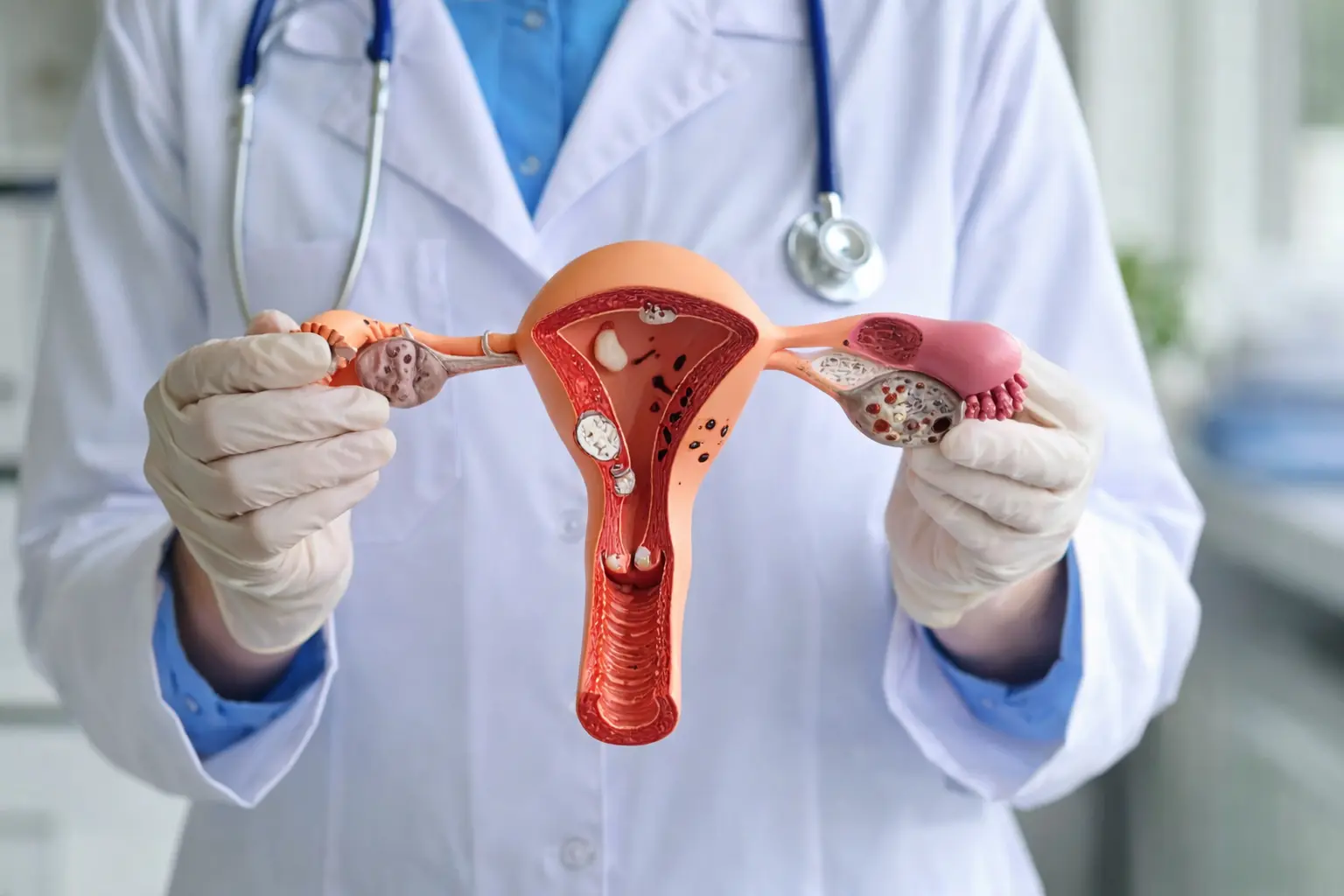
What is Endometriosis?
Endometriosis is a condition when tissue that normally lines the inside of the uterus grows outside of it — like on the ovaries, fallopian tubes, pelvis and sometimes bladder and intestines.
This tissue behaves like normal uterine lining — it thickens and bleeds during your period, but because it's outside the uterus, it causes pain and inflammation.
The pain is real and deserves attention.
Symptoms of Endometriosis
Pelvic Pain
Often during your period, during intercourse, or even daily pelvic pain
Painful Functions
Pain when urinating or passing stool
Fertility Challenges
Difficulty in conceiving for some women
Variable Severity
Severity of pain doesn't always match how advanced the disease is
Managing Endometriosis
The good news is, Endometriosis can be managed very effectively. Treatment depends on your symptoms and life stage:
Pain Relief
Medications like ibuprofen reduce inflammation and cramps.
Hormonal Therapy
Pills or injections suppress the growth of endometrial tissue.
Surgery
Laparoscopy can remove endometriosis deposits and reduces symptoms.
Fertility Support
IVF may be an option if you're trying to get pregnant.
Personalized Assistance: Treatment is individualized — one plan doesn't fit all. Our goal is to reduce pain and protect your fertility.
What is Polycystic Ovary Syndrome (PCOS)?
PCOS is a hormonal imbalance where your ovaries produce higher levels of male hormones (called androgens). This affects ovulation, so periods become irregular or stop altogether. It can also cause small, fluid-filled cysts on the ovaries — though not everyone with PCOS has cysts.
Understanding PCOS
Polycystic ovary syndrome (PCOS) is a common hormonal condition that affects women of reproductive age. It usually starts during adolescence, but symptoms may fluctuate over time.
PCOS can cause hormonal imbalances, irregular periods, excess androgen levels and cysts in the ovaries. Irregular periods, usually with a lack of ovulation, can make it difficult to become pregnant. PCOS is a leading cause of infertility.
PCOS is a chronic condition and cannot be cured. However, some symptoms can be improved through lifestyle changes, medications and fertility treatments.
The cause of PCOS is unknown but women with a family history or type 2 diabetes are at higher risk.
PCOS is common and manageable. We need not to fear.
PCOS is a collection of problems that are found together. Not all women with PCOS have all the same symptoms. To be diagnosed with PCOS, a woman must have a minimum of 2 out of 3 possible issues:
- Irregular cycle - problem in egg growth and ovulation.
- Acne or excess facial and midline hair growth due to increased level of male hormones in body.
- Ovaries that have multiple small fluid-filled sacs (antral follicles).
Symptoms of PCOS
Irregular Periods
Irregular or absent menstrual cycles
Fertility Issues
Difficulty getting pregnant due to lack of ovulation
Hormonal Symptoms
Excessive hair growth, acne, and scalp hair thinning
Weight Concerns
Weight gain or difficulty losing weight
Managing PCOS
The cornerstone of PCOS management is lifestyle — small, steady changes make a big difference.
Diet & Exercise
A balanced diet and regular activity help regulate hormones and improve insulin sensitivity.
Medications
Birth control pills, Metformin, Letrozole, Clomiphene, and anti-androgen medicines.
Fertility Treatments
Ovulation induction agents or IVF for those trying to conceive.
We tailor the plan to your goals — whether that's symptom relief, fertility, or long-term health.
Endometriosis vs. PCOS
Though both affect the reproductive system, they're quite different conditions:
| Aspect | Endometriosis | PCOS |
|---|---|---|
| Nature | Tissue growth outside uterus | Hormonal imbalance |
| Primary Issue | Pain & inflammation | Irregular ovulation |
| Symptoms | Pelvic pain, painful periods, infertility | Irregular cycles, acne, excess hair, weight gain |
| Effect on Fertility | Can cause difficulty conceiving | Can cause ovulation-related infertility |
| Treatment Focus | Pain relief & fertility preservation | Hormone regulation & ovulation restoration |
Both can impact fertility, but we manage them differently — and both are treatable.
Key Takeaways
- Both Endometriosis and PCOS are manageable — and with the right treatment, you can live a normal, healthy, active life.
- Early diagnosis and regular follow-up are key.
- We'll work together to personalize your care — whether that's pain control, hormone balance, or fertility planning.
- Remember, you're not alone in this journey — we're here to help you every step of the way.