Introduction
Fertility preservation includes medical procedures that help protect your ability to have biological children in the future. Whether you're exploring this because of a medical diagnosis or personal reasons, the goal is to give you clear, supportive information so you can make the decision that's best for you.
What is Fertility Preservation?
Fertility preservation includes medical procedures that help protect your ability to have biological children in the future. People choose this for many reasons — health conditions, treatments like chemotherapy, or personal timing.
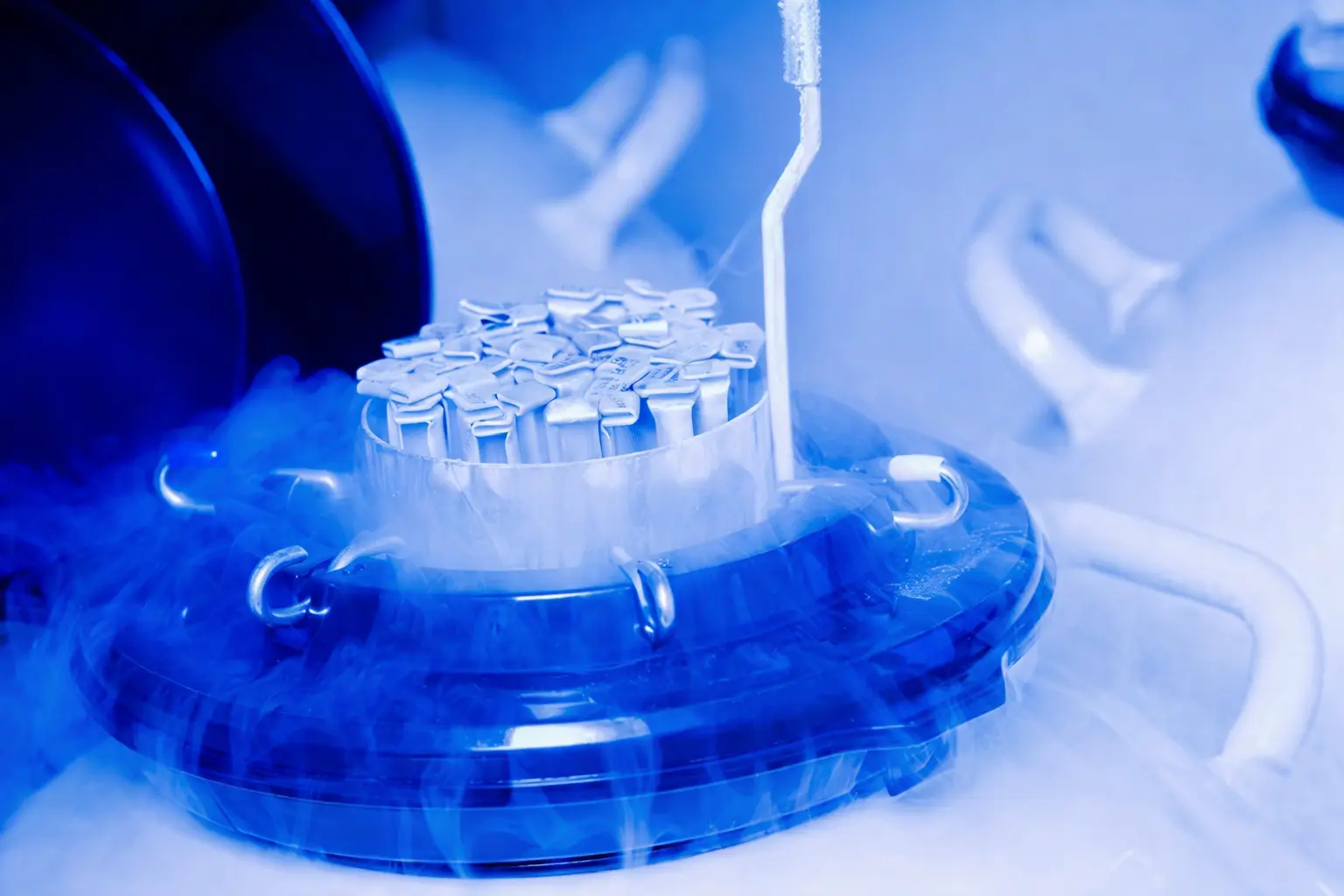
Egg freezing (oocyte cryopreservation)
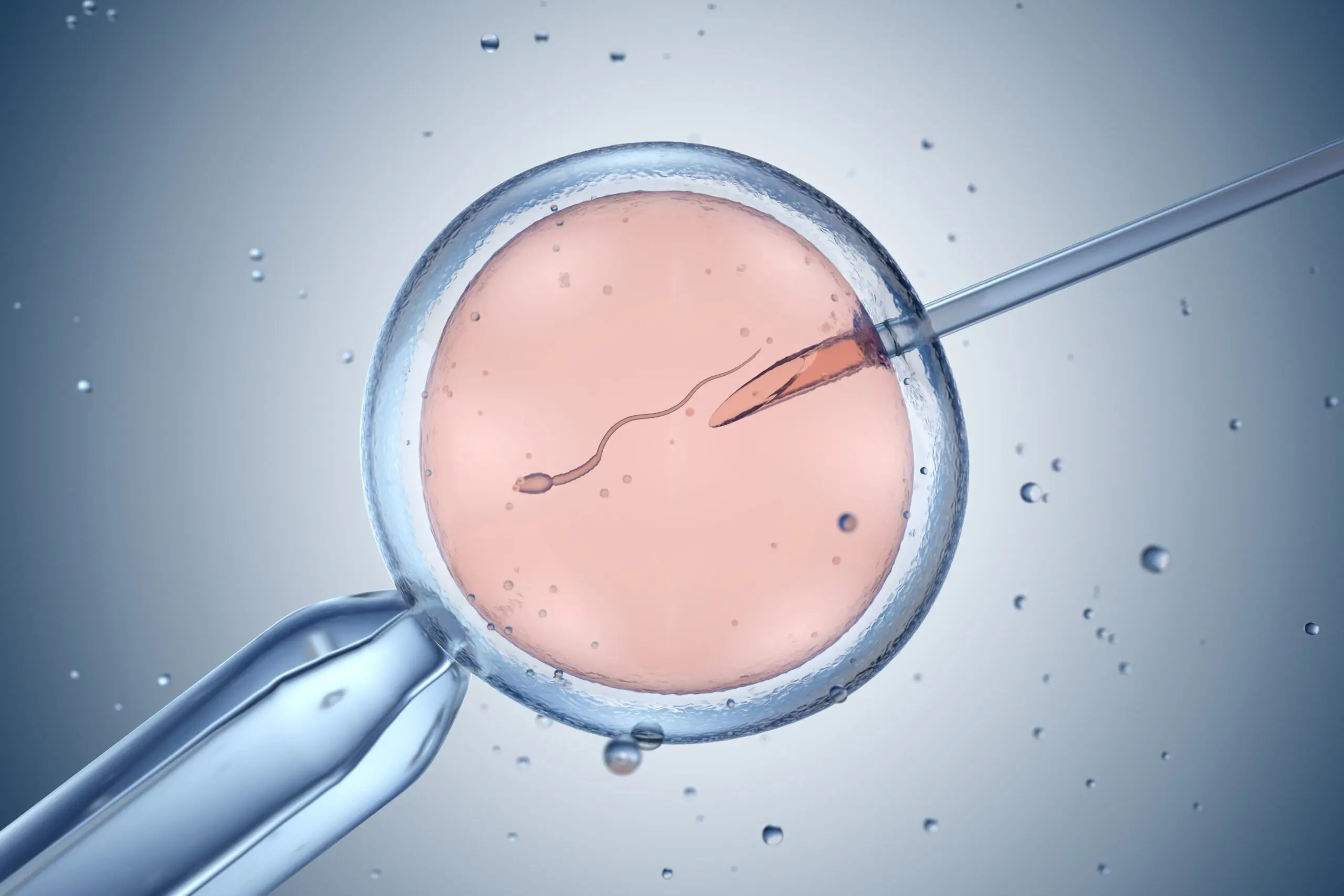
Sperm banking for male fertility preservation
.webp)
Embryo freezing for couples
Context:
- Techniques to safeguard reproductive potential
- Short-term and long-term options
- Applicable to both men and women
Fertility Decline:
Women: Fertility gradually starts to decline after age 30, with a steeper drop after 35. This decline is primarily due to a reduction in both the quantity and quality of eggs, increasing the risk of infertility, miscarriage, and chromosomal abnormalities in offspring. By age 40, the natural chance of conception per menstrual cycle drops to around 5–10%.
Men: Fertility decline is more gradual but still significant after age 45.
Who Might Consider It?
You might be considering fertility preservation due to a medical situation, or simply because now isn't the right time to have children but you'd like the option later. It's a very personal decision.
Various fertility preservation options are available for different situations and needs.
Conditions:
- Cancer patients (pre-treatment), in need of chemotherapy or radiotherapy
- Delaying parenthood for personal or professional reasons
- Transgender individuals before medical transition
- People with genetic conditions or risk of premature ovarian/testicular failure
- People with certain auto-immune conditions
Preservation Options Comparison
Female Fertility Preservation
The most common method is egg freezing - it's safe and effective. If you have a partner or are using donor sperm, embryo freezing is another option.
- Egg freezing (oocyte cryopreservation)
- Embryo freezing
- Ovarian tissue freezing (experimental in some regions)
Male Fertility Preservation
For men, the standard method is sperm freezing — a simple, non-invasive process. There are also options for younger boys or those who can't produce a sample.
- Sperm banking
- Testicular tissue freezing (experimental)
- Testicular sperm extraction (TESE)
Detailed Process Steps
Evaluation & Baseline Testing
- Medical history & physical exam
- Hormone blood tests (AMH, FSH, LH, estradiol, etc.)
- Infectious disease screening
- Baseline transvaginal ultrasound (antral follicle count)
- Counseling & protocol decision
Ovarian Stimulation & Monitoring
- Daily injections of gonadotropins (FSH/LH analogues)
- Prevent premature ovulation with GnRH agents
- Monitoring with ultrasounds & hormone levels
- Adjust doses as per response (8–14 days typical)
Trigger Injection & Timing
- Trigger shot (hCG or GnRH-agonist) 34–36 hrs before retrieval
- Mimics natural LH surge for final maturation
- Timing is critical
Egg Retrieval (Oocyte Collection)
- Performed under sedation/anesthesia
- Ultrasound-guided aspiration of follicles
- 15–30 min outpatient procedure
Egg Assessment & Vitrification
- Assess retrieved eggs for maturity (Metaphase II)
- Freeze using vitrification (ultra-rapid cooling)
- Store in liquid nitrogen at –196°C
Risks & Considerations
- Risk of Ovarian Hyperstimulation Syndrome (OHSS) — low
- Bleeding or infection (rare)
- Not all eggs survive thawing
- No guarantee of pregnancy
- Emotional/psychological impact
- Financial & logistical aspects
Timing is Critical
If fertility preservation is on your mind, timing is key. Treatments like chemotherapy can damage fertility quickly, so it's ideal to act before starting. For many, the process can begin and finish within just a couple of weeks.
- Best outcomes with early action
- Process completion in ~2–3 weeks (for women)
- Especially important before cancer treatment